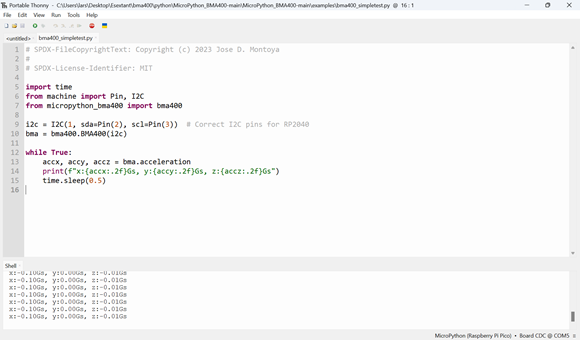
Introduction In the previous post I looked at interfacing the ICM20948 9DOF IMU with the Raspberry Pi Pico 2 (Ref.1). In this post I examine interfacing the Bosch BMA400 3 axis accelerometer with the Pico 2. The BMA400 breakout pcb is extremely small and lends itself to small portable instruments (Ref.2). Raspberry Pi Pico 2… Continue reading BMA400 3 Axis Accelerometer on Raspberry Pi Pico 2
Category: Navigation
Navigation: Celestial, Sextant, Equipment
ICM20948 9DOF IMU on Raspberry Pi Pico 2
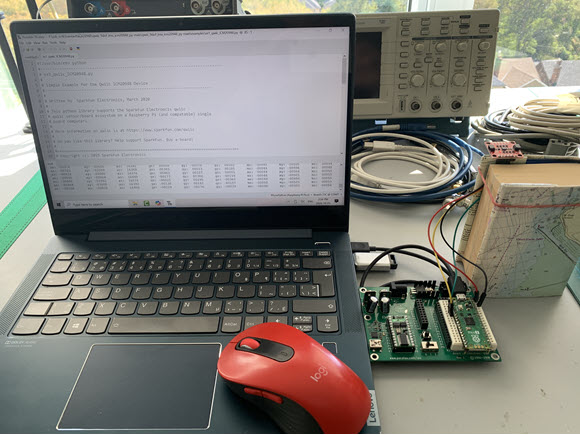
Introduction In previous posts I looked at using the ICM20948 9DOF IMU with Raspberry Pi4B and Arduino Uno (Ref.1/2). The ICM20948 is a replacement for the MPU9250 (now end of life) on the popular GY-91 board often used with OpenPlotter. The Raspberry Pi Pico 2 is a very small microcontroller that lends itself to remote… Continue reading ICM20948 9DOF IMU on Raspberry Pi Pico 2
AIS & GNSS on OpenCPN ECN Charts
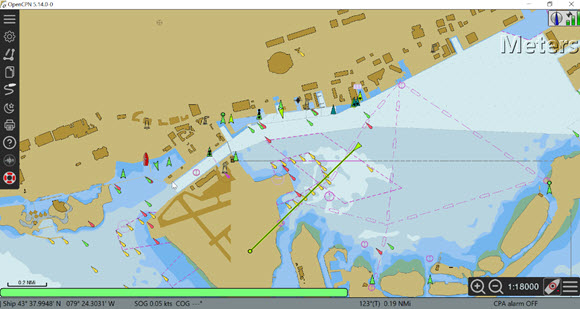
Introduction In the previous post I looked at receiving AIS on OpenCPN using the latest ECN charts for the Montreal harbour (Ref.1). Since 2017 I have been using Raster BSB charts. In this post I compare various chart formats such as Paper, Raster BSB and ENC. ENC charts are vector charts and contain a wealth… Continue reading AIS & GNSS on OpenCPN ECN Charts
AIS on OpenCPN ENC Charts

Introduction In a previous post I looked at receiving AIS & GNSS on OpenCPN using BSB Raster charts which I have been using since 2017 (Ref.1). Today I purchased new vector S57 ENC charts for the St Lawrence River close to Montreal (Ref.2). I tested reception down at the Port of Montreal. Equipment Block Diagram… Continue reading AIS on OpenCPN ENC Charts
AIS on RaspberryPi4 QTH+
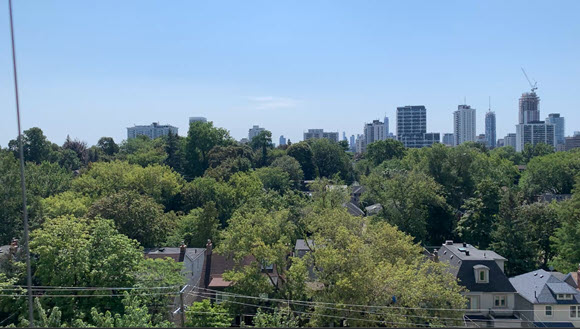
Introduction In a previous post I was able to receive AIS contacts from my home location even though surrounded by huge new condos (Ref.1). Recently I moved because my radio horizon was now completely blocked. My new QTH looks due south with no buildings in the immediate vicinity. So I wanted to see how the… Continue reading AIS on RaspberryPi4 QTH+