
Introduction
Receiving Satellite Weather signals at 136/138MHz has been very exciting over the past several years. NOAA15/18/19 are now deactivated, but Meteor M2-3 & M2-4 are still available. I was able to receive these signals at Toronto Harbourfront with an open sky view (Ref.1). However, at my home QTH, this proved to be difficult with just a Vee Dipole. So I decided to get extra gain by using a Yagi. Most amateur radio Yagis are designed for 146/435MHz not 138MHz. So I decided to buy a standard 2m/70cm Yagi in hopes that it would also perform at 138MHz, perhaps with reduced performance (Av/VSWR).
Yagi 2m/70cm Testing
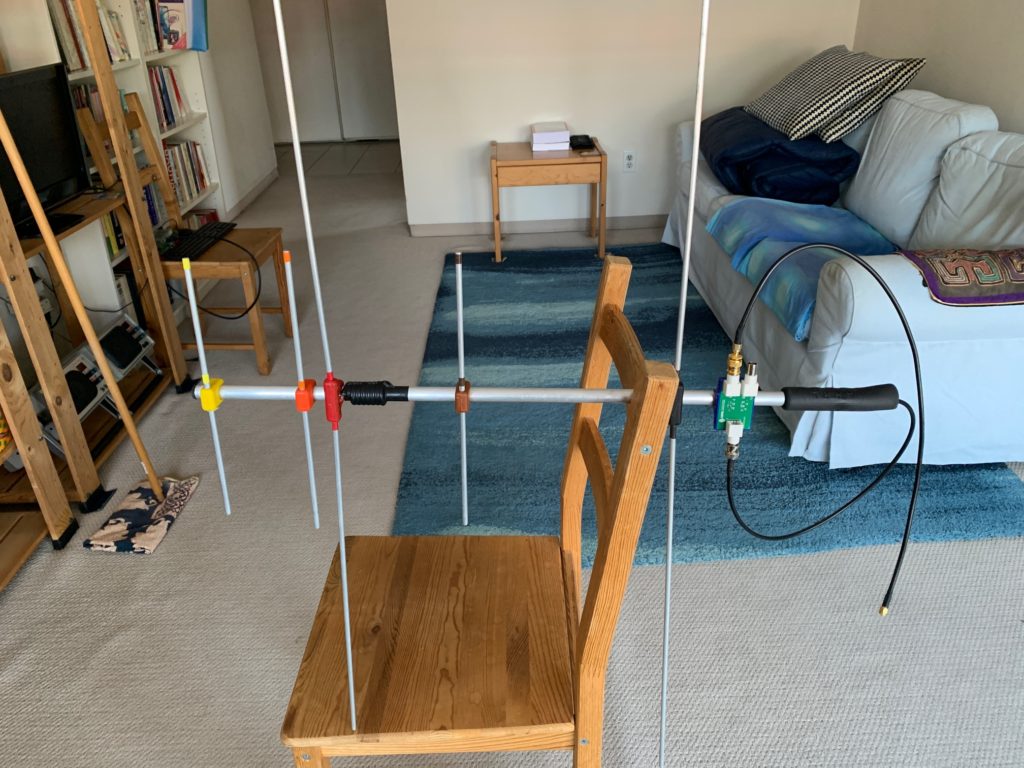
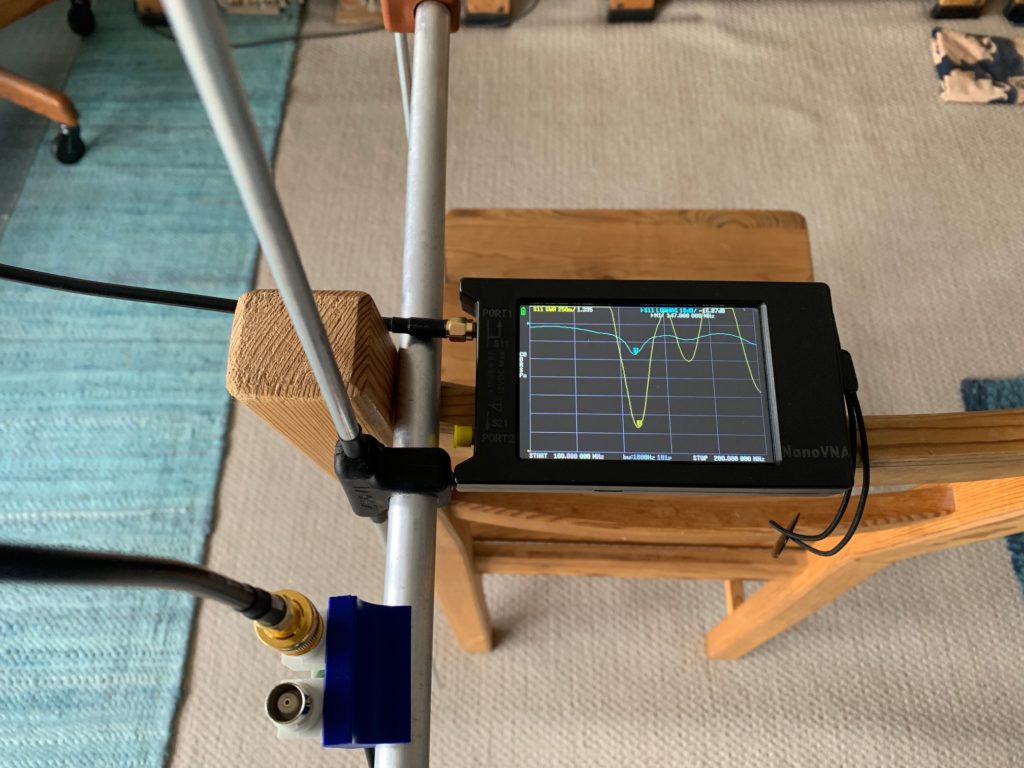
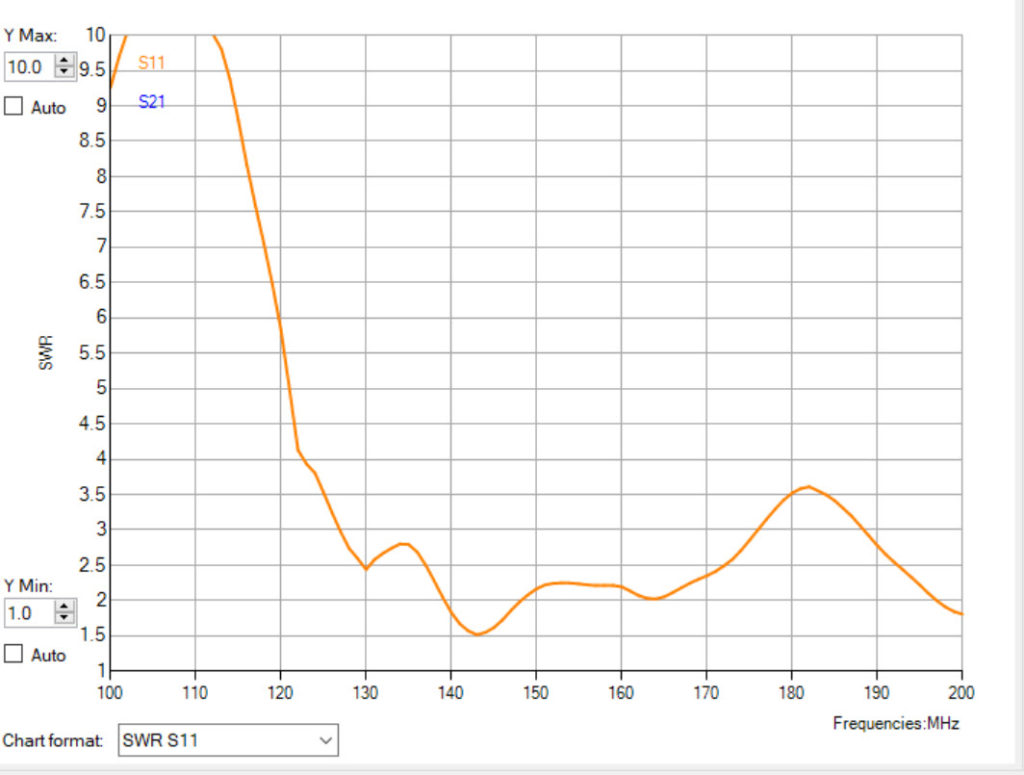
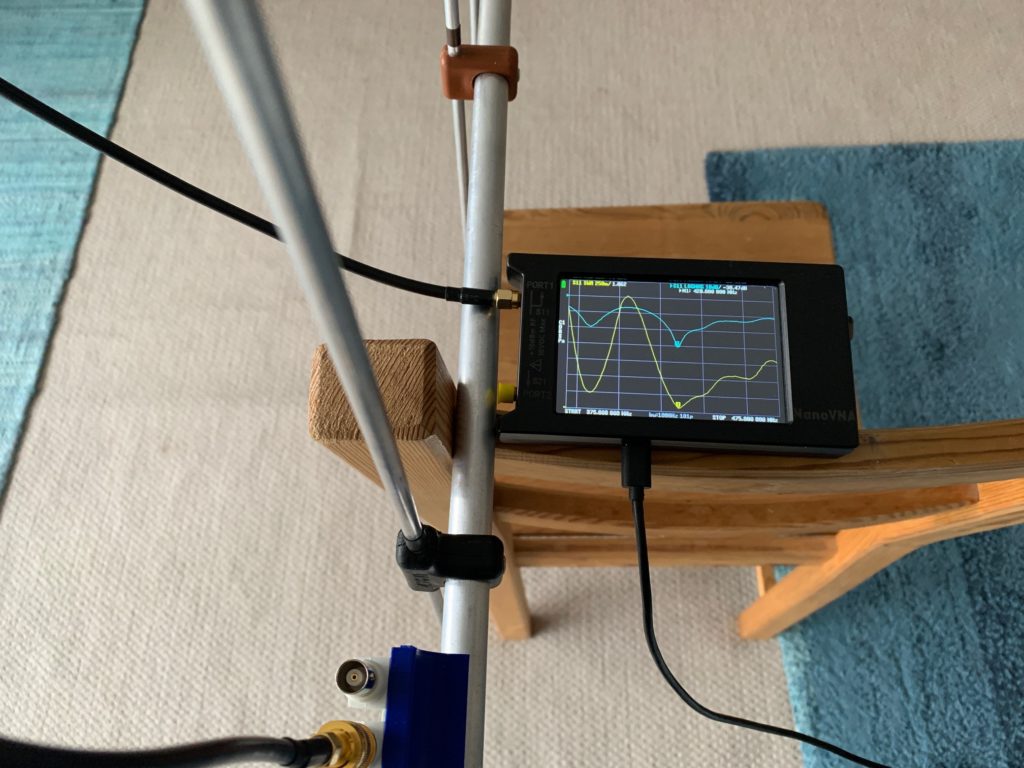
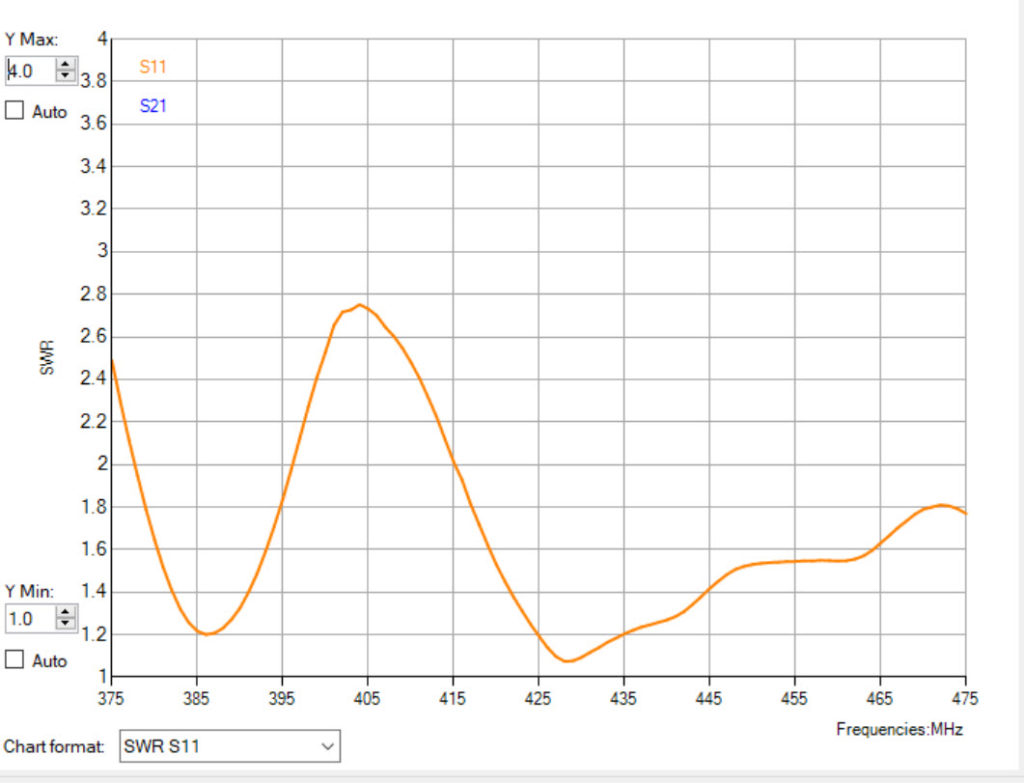
My experience with other antennas such as my L band dish, is that it was usable over a much wider frequency range than advertised. To get an idea of this possible range, I tested the 2m & 70cm Yagi ports with the NanoVNA. Figure 1 shows the test setup on a wooden chair away from any metal objects. Figures 2/3 show the 100/200MHz VSWR and Figures 4/5 the 375/475 VSWR. Notice the excellent VSWR at 138MHz.
Reception Meteor M2-3
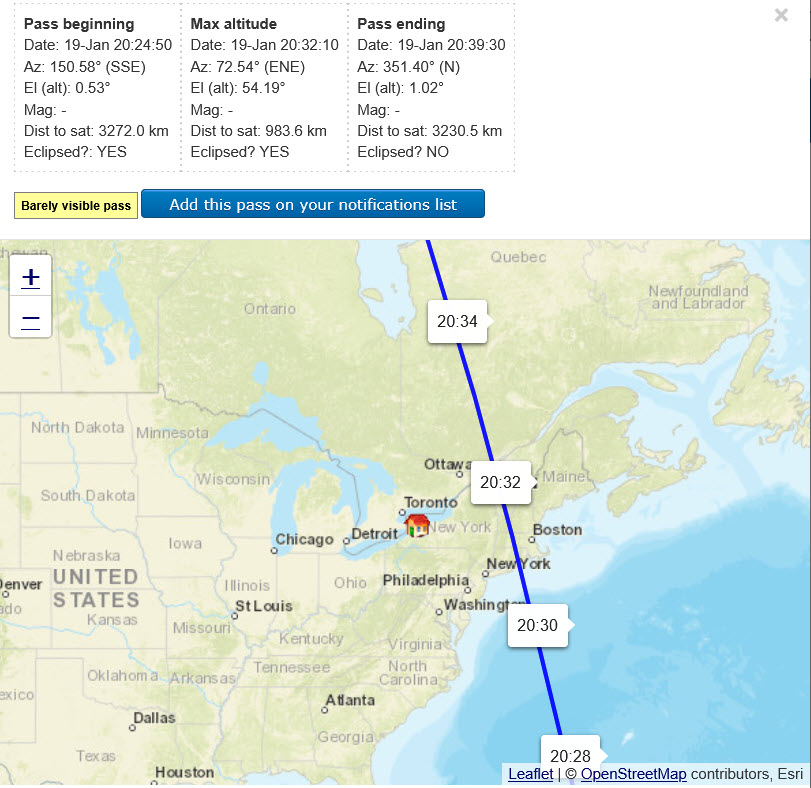
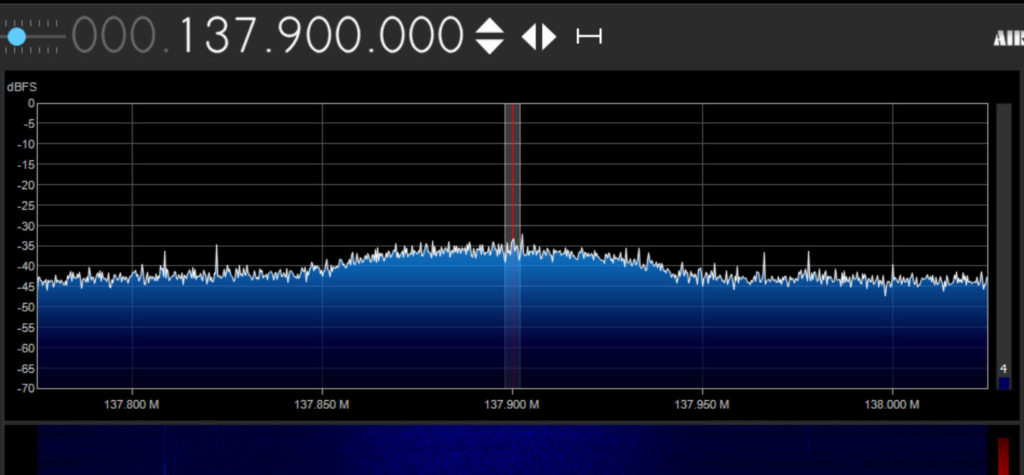
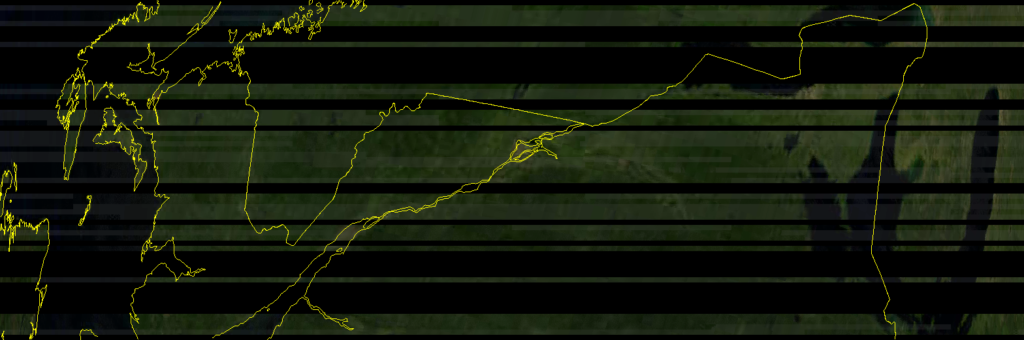
Figure 6 shows a pass of Meteor M2-3 on Jan19th|_2026 at 20:30EDT. I placed the Yagi outside on my balcony pointing roughly at Az=75 deg with elevation of 45deg. Figure 7 shows the receive signal on SDR#. I sampled at 250Ksps to save on file size. This is a mistake because you don’t realize that you are actually receiving the sinx/x signal because it takes up most of the screen. The receive signal would be much more visible at Fs=1.024Msps. I made no attempt to point the Yagi at the satellite because it was -15degC outside. So I am hoping when it is warmer that I can hand point the Yagi at Meteor and get a much better signal. The decode from SatDump is shown in Figure 8.
Please send your comments, questions and suggestions to:
contact:

References
#1. – “RTL-SDR for Satellite Weather – Meteor M2-3/4”
https://jeremyclark.ca/wp/telecom/rtl-sdr-for-satellite-weather-meteor-m2-3-4/
